

Hugo Boss spends millions on sports sponsorships like competitive sailing, tennis, golf, auto racing, and soccer.

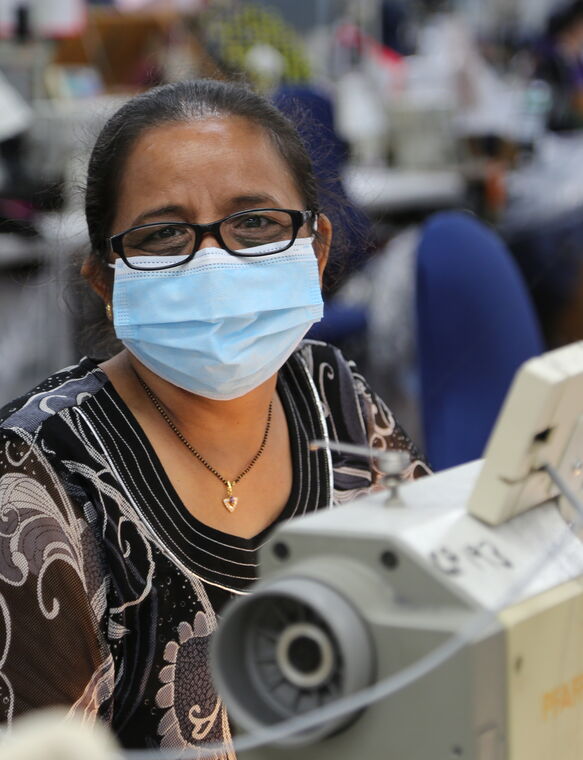
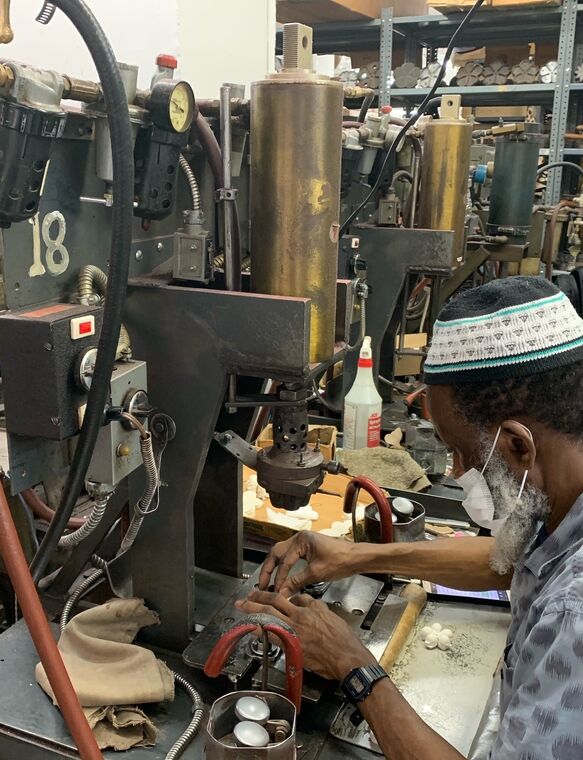
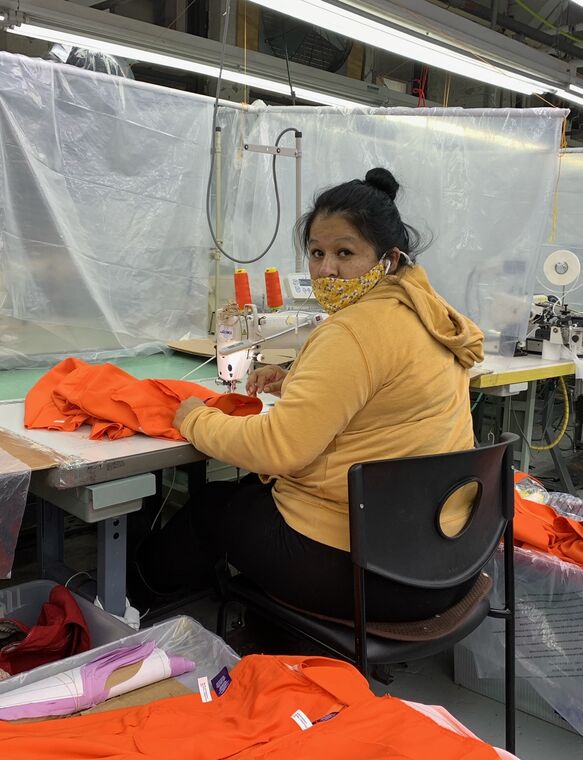
And yet they'd like you to believe that they can no longer afford to employ suit manufacturing workers in the U.S.

Don't believe them.

Click here to watch worker video.

Hugo Boss made more than $140 million in profits in the first nine months of 2009, according to the company's third-quarter report. The company paid shareholders more than $135 million in dividends last year, on top of a huge dividend of $637 million in 2008.

The amount Hugo Boss says it is trying to save by closing its U.S. suit manufacturing plant is only a few million dollars... a drop in the Hugo Boss bucket.

Tell Hugo Boss Chief Operating Officer Dr. Andreas Stockert to keep the company's U.S. suit manufacturing plant open and keep hard-working Americans on the job.

Andreas_Stockert@HugoBoss.com

212-940-0600

Gap LogoThe GAP's 1969 "Real Straight" jeans sporting the "Made in Canada" label are made by Workers United, SEIU members.  In the 1990's, consumer outrage forced the GAP to address sweatshop conditions at their factories overseas.  10 years later, the GAP's turnaround includes improved environmental practices, a vender compliance program that monitors overseas factories, and a commitment to manufacturing, in part, at union shops in North America.

ontario workers marchThe Ontario Labour Relations Board confirmed that 90 percent of workers at seven workplaces across Ontario voted to be represented by the Workers United Ontario Council instead of UNITE HERE. "I don't know how many times and in how many ways we have to tell UNITE HERE we don't want to be part of their union," said Joe Barbisan, a Xerox worker and President of Workers United Local 1414B, a local of the Ontario Council.  Votes have been taking place since September of this year, but ballot-counting was delayed after UNITE HERE filed motions to prevent workers' votes from being counted.

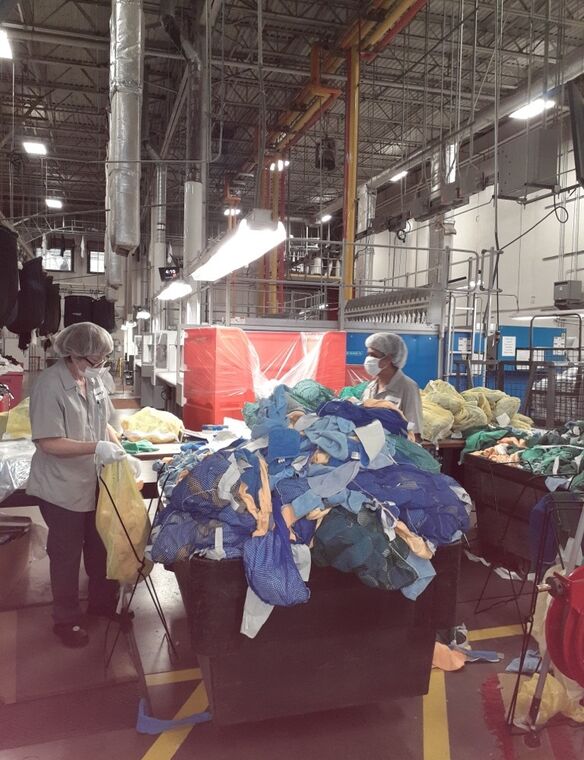
The National Labor Relations Board found merit in charges that Aramark unlawfully refused to bargain with 220 members of Workers United, Western States Regional Joint Board, Local 3, at three Bay Area industrial laundries. The board has accepted a settlement that requires the company to negotiate with workers, grant union representatives access to its laundries and pay the union months of escrowed union dues. "With the economy being so bad, we need the security of a strong union contract to make ends meet and to make sure we have health insurance for our families," said Nelida Rincon, a 20-year employee and first shift shop steward for Local 3.


Our Formation

Read about the unprecedented display of rank and file union democracy at our first convention to create the new union, Workers United.